~2×
clicks on selected high-intent facet pages
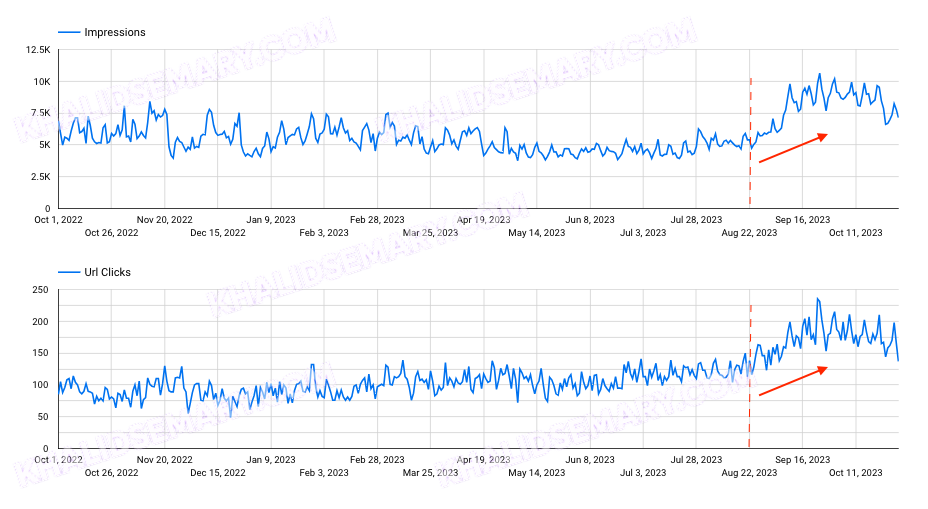
Reported over a six-to-eight-week period after the faceted-navigation work.

Ecommerce SEO Consultant
Help customers find the products your business wants to grow. I connect category and product search demand with technical SEO, useful page content and commercial priorities, then help your team implement and validate the agreed changes.
Ecommerce SEO needs clear decisions about which pages should attract customers, how the catalogue should be organised and where technical complexity is limiting discovery. I combine search evidence with product availability, commercial priorities and implementation effort so the roadmap focuses on pages the business can support and customers can use.
Ecommerce SEO results
Two ecommerce projects addressed different parts of organic acquisition: controlling high-intent filter pages for a beauty retailer and building an Arabic search experience for a niche ecommerce business.
~2×
Reported over a six-to-eight-week period after the faceted-navigation work.
+180%
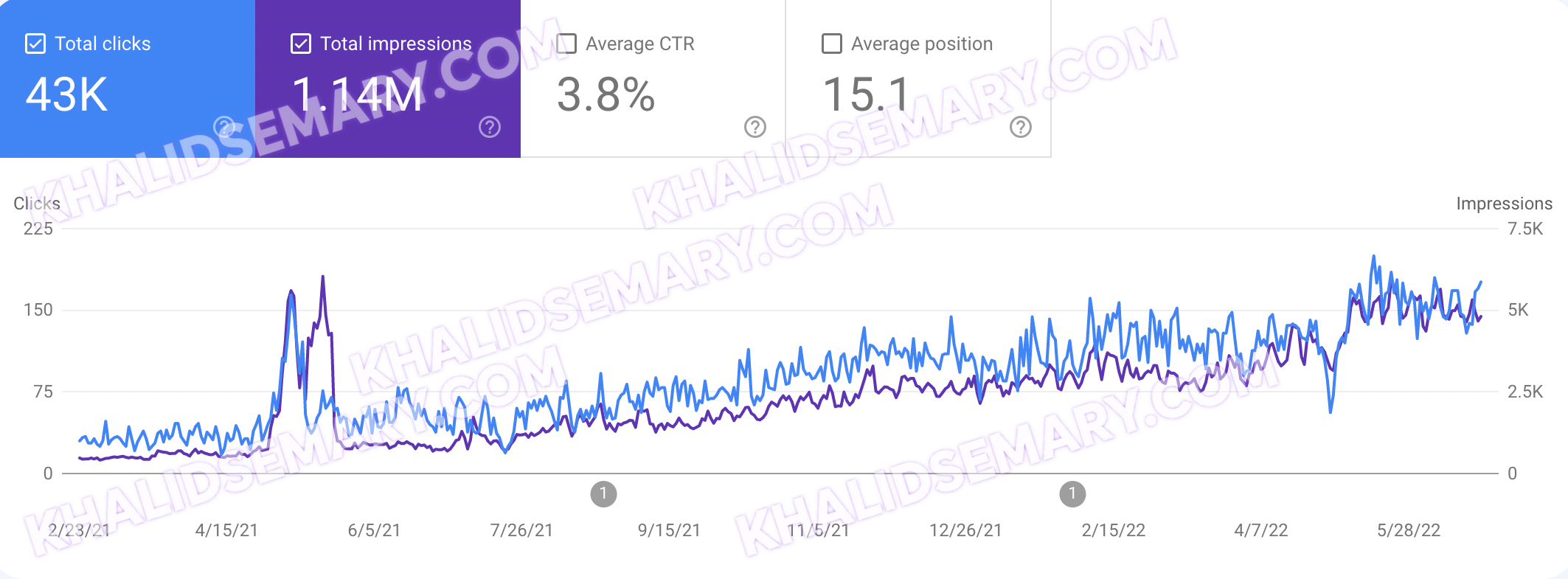
Reported for the Arabic search segment after the localisation and bilingual-architecture work.
Identify the categories, facets and product-page types that match meaningful customer demand.
Define indexation, canonical and parameter rules so low-value variants do not compete with priority pages.
Build Arabic category and product content around local search intent instead of translating the English catalogue unchanged.
Use internal-link modules, sitemaps, structured data and reusable page requirements to support more than one URL at a time.
For the beauty ecommerce project, the available record reports approximately twice the clicks across selected high-intent facet pages over six to eight weeks; exact dates and controls for concurrent changes are not documented. The localisation record reports a 180% year-on-year increase in Arabic search clicks but does not include the exact comparison period, baseline or measurement source. Each figure is presented as a reported project result, not proof that one change caused the full increase.
Search demand is one input. I also review product availability, margin or revenue information where it is available, current visibility and the work required to improve the page. This creates a practical order for category, collection and supporting-content improvements.
I review page purpose, content, navigation, internal links and reusable templates so customers can understand the range and search engines can find the products and categories that matter.
Clarify search intent, headings, range information, buying guidance and links to relevant subcategories or products.
Review product titles, descriptions, variants, imagery requirements and the details customers need before buying.
Connect menus, categories, products and supporting content so priority pages are reachable and their role is clear.
Check whether visible price, availability, variant and product information is represented accurately in the page and supported markup.
Filters, variants, pagination, changing inventory and discontinued products can create more URLs than the store can usefully maintain. I define rules around the platform, the search opportunity and the customer value of each page type, then support implementation and release checks.
Decide which combinations deserve crawlable landing pages and how the remaining filter URLs should behave.
Review canonical, parameter and template behaviour where similar products or routes create competing versions.
Set practical rules for temporary stock changes, permanent removals, alternatives and internal-link updates.
Check whether customers and crawlers can reach catalogue pages and products through working links and usable rendered content.
A keyword list does not decide the roadmap by itself. Each proposed page is checked against the catalogue and commercial information the business can provide before it becomes an implementation priority.
What customers are trying to find and whether the search results favour a category, product or supporting guide.
Whether the store has the range, stock depth and product information needed to serve the opportunity well.
Revenue, margin, conversion quality or business priority where reliable internal data is available.
How the existing page performs and whether another URL is already competing for the same intent.
The content, template, development and catalogue work required to release and maintain the improvement.
Improve, create, consolidate or defer the page, with an owner and a clear reason for the decision.
The measurement plan separates visibility and traffic from orders, revenue and conversion quality. Stock changes, promotions, tracking limitations and shifts in channel mix are recorded so the team can interpret performance without assigning every commercial change to SEO.
The engagement can start with a focused review, continue into hands-on delivery or support an internal team over a longer programme. The scope reflects the platform, catalogue size, markets, access and the amount of content or development support required.
Review the catalogue, templates, search opportunities and measurement, then rank the work by expected value and effort.
Deliver agreed content, internal-linking, metadata, structured-data or CMS changes directly and coordinate developer requirements where needed.
Maintain the roadmap, review releases and respond to catalogue, market and performance changes as the store grows.
Confirm the platform, catalogue and commercial priorities
Map search demand to category, product and supporting pages
Review templates, crawling, indexation and internal links
Prioritise and implement the agreed changes
Validate the release and measure store performance
These projects show how faceted-navigation rules, internal links, reusable templates and Arabic localisation were applied to ecommerce search problems. Each case retains the limits of the available measurement record.
Across selected high-intent facet pages over a reported 6–8 week period. Exact dates and concurrent-change controls are not documented in the available project record.
The work was designed to redirect crawl and internal-link signals towards commercially useful pages, reduce conflicting variants, and support faster recrawl and indexation.
from Arabic search
Matched Arabic intent, fixed discoverability, scaled templates
Direct collaboration, commercial focus, and work that actually ships. Here's what clients have said.
SEO Product Owner, Prada · LinkedIn recommendation
"Khalid is exceptionally reliable and supportive, always helping the team find effective solutions. His proactive approach, strategic thinking, and technical skills consistently added value across complex projects."
Group Technical SEO Manager, YOOX NET-A-PORTER Group · LinkedIn recommendation
"Khalid was a key part of our SEO progress. His contribution went beyond technical execution, bringing strategic thinking, AI-focused initiatives, trust, and strong collaboration with technical teams."
D2C Ecommerce Brand · Client feedback
"Khalid reviewed our ecommerce funnel across product pages, checkout, tracking, and paid traffic. His recommendations helped us identify where sales were being lost, improve conversion quality, and focus our budget on the areas most likely to drive revenue."

Google Analytics Certification
Google Digital Academy

Technical SEO Certification
Blue Array
01
The scope depends on the platform, catalogue size, number of markets and templates, technical complexity, available commercial data and whether you need a roadmap, direct implementation or ongoing support. I confirm the deliverables, access, responsibilities, fee and expected schedule before work begins.
Need Shopify-specific support? Review the Shopify SEO service02
Share the store, platform, priority categories and the main organic-growth problem. I will review the context, identify the most useful starting point and explain what information or access is needed to scope the work.
About
Khalid Semary is an independent SEO and digital growth consultant with 10+ years of experience across technical SEO, ecommerce, Arabic SEO, paid media, analytics, CRO and international growth.
Learn more about my background and experienceYes. The work focuses on page types, templates and priority categories so the programme can be scoped and implemented systematically. It does not require rewriting every product page one by one.
I compare customer demand with catalogue fit, product availability, current visibility, commercial value where reliable data exists and the effort required to improve the page. The result is a documented reason for what should move first.
Yes. I can define which filter combinations deserve search landing pages and how other parameter URLs should be crawled, indexed, canonicalised or removed from internal discovery, based on the platform and catalogue.
No. This page covers ecommerce organic acquisition across platforms. Shopify and Shopify Plus stores can use the dedicated Shopify SEO service when the work depends on collections, themes, apps, Markets or other Shopify-specific constraints.
Yes, where the platform, access and agreed scope allow safe direct changes. I can also prepare requirements for developers or content teams, coordinate delivery and validate the released pages afterwards.
Conversion context informs SEO priorities, especially on category, product and enquiry journeys. A wider programme of customer research, wireframes and testing can be scoped through the conversion optimisation service when the store needs dedicated CRO work.
Ecommerce SEO strategy and implementation
Share the store, platform and priority categories. I will recommend a practical starting point across content, catalogue structure, technical SEO and measurement.
The scope, access, responsibilities, fee and expected schedule are confirmed before work begins.